Common Symptoms of a Badly Fitted Dental Crown
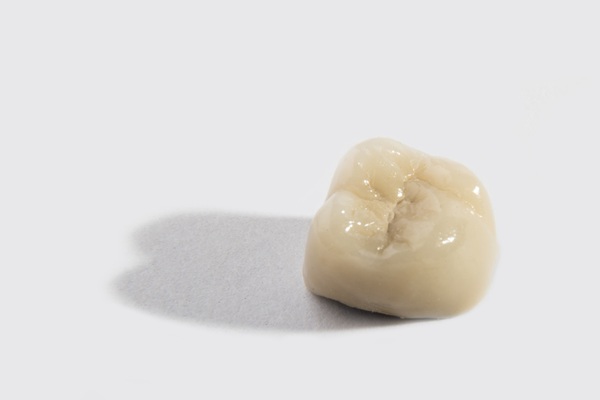
Modern dental crowns protect a damaged tooth and restore the ability to chew comfortably, but a restoration that sits incorrectly often creates a persistent ache or a strange sensation. A high-quality cover should feel like a natural part of the smile and function without drawing any negative attention to the area. When the opposite occurs, recognizing the early warning signs of an uneven fit ensures the problem is addressed quickly before any lasting damage occurs.
Discomfort and pressure while chewing
The most obvious sign of poorly aligned dental crowns is a sharp or dull ache whenever the upper and lower teeth meet. If the material sits even a fraction of a millimeter too high, it absorbs all the force of the jaw before the other teeth can help share the load. This constant pressure irritates the ligament that holds the root in place, causing a bruised sensation that makes eating difficult. A well-fitted bite feels even and balanced, with no single point of contact feeling more intense than the others.
Lingering sensitivity to temperature
While slight sensitivity for a day or two is normal, a persistent jolt when drinking cold water suggests the seal around the tooth is not tight. If a gap exists between the edge of the restoration and the gumline, bacteria and temperature changes reach the sensitive inner parts of the tooth far too easily. This open space leaves the tooth vulnerable to new decay that can hide beneath the protective shell, where a toothbrush cannot reach. Dental crowns must act as a complete shield, so any lingering reaction to sweets or temperature changes is a major red flag.
Irritation and swelling of the gums
Sometimes, the shape of dental crowns is slightly too bulky, which creates a ledge where food particles get trapped every time a person eats. This constant food trap can lead to bad breath and localized gum issues if the area stays dirty for too long. Floss should slide smoothly in and out of the space without shredding or catching on a sharp corner. If the gums stay swollen for more than a few days, the restoration likely needs a smoother contour to allow the tissue to heal properly.
An unstable or loose sensation
A stable set of dental crowns feels completely immobile even when chewing sticky or crunchy foods. If the restoration rocks, shifts, or feels slightly loose, the bond between the tooth and the porcelain is likely failing. This instability allows saliva and sugar to seep beneath the surface, which rots the healthy tooth structure from the inside out. A hollow sound when tapping the tooth or a feeling that the cover might pop off is a sign that the seal is no longer intact.
Schedule an appointment
Ignoring a poorly-fitted dental crown can lead to unnecessary pain and the risk of losing the tooth entirely. Most issues with a new crown are easy to fix with a simple polishing or a slight adjustment to the biting surface in the office. If you are experiencing any of the above symptoms, contact our office to schedule an appointment.
Request an appointment here: https://www.midtowndentalclinic.com or call Midtown Dental at (509) 392-7180 for an appointment in our Richland office.
Check out what others are saying about our dental services on Yelp: Dental Crowns and Dental Bridges in Richland, WA.
Related Posts
Dental implants can potentially survive a lifetime of use; however, the implant crowns used for chewing and biting are vulnerable to the same factors that can damage natural teeth. Therefore, it is important to take proper precautions to extend the crown's lifespan.The following are tips to add more years to an implant crown and reduce…
If you need a tooth replacement solution, you should visit with your dentist as soon as you can. You do not want to live without teeth for long. This presents health challenges and concerns with your smile. Even missing one tooth can be troublesome. But the good news is that there are ways to solve…
A general dentist can perform dental X-rays as part of a routine dental checkup. These scans are recommended every year or two to reveal a patient's oral health below the gum line. While most adults have already had them at some point, it is common to want to learn more about what they do, their…
General dentists protect the integrity of your oral health by providing preventative and corrective services. These can range from cleanings to repairing damaged teeth. Here are five ways the dentist can protect your smile for years to come.Examinations are one of the most common and necessary preventative measures general dentists recommend and perform. These appointments…