What Is Periodontics?
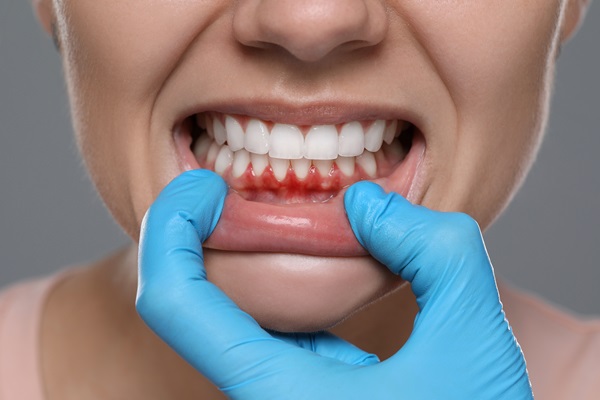
Periodontics is a branch of dentistry that focuses on studying, diagnosing, and treating issues that affect the gums and the bone structures that support teeth. Periodontal disease is the leading dental problem that periodontics focuses on.
Periodontal disease is an infection of gum tissues caused by the bacteria in plaque and tartar getting below the gum line. Plaque is the sticky film that is covering your teeth when you wake up in the morning or after a nap. It contains bacteria and hardens into tartar when left on teeth for more than a day. Plaque can be cleaned off by brushing or flossing teeth, but tartar deposits cannot. A metal tool called a scaler is used to scrape these hard deposits off teeth surfaces. Tartar builds up at the base of teeth, and it can eventually work its way into gum pockets and teeth roots.
Common treatments used in periodontics
Let us take a look at a few of the treatments used to treat infected gum tissues.
1. Teeth cleanings
Teeth cleanings are the most commonly performed preventative treatments in dentistry. They involve the dentist removing plaque and tartar from teeth surfaces and polishing the teeth afterward. Cleaning protects teeth against the two most common dental problems: gum disease and tooth decay.
The American Dental Association recommends getting teeth cleaned at least two times per year. The procedure can help reverse the first stage of periodontal disease: gingivitis.
2. Deep cleanings
A deep cleaning is a more extensive version of a standard teeth cleaning. It involves everything done during a regular teeth cleaning, as well as removing tartar from teeth roots and gum pockets. The procedure is typically broken down into multiple treatments because recovery involves dealing with gum soreness for a few days.
3. Gum grafts
Periodontal disease leads to symptoms like gum tissues pulling away from teeth, which leaves teeth roots exposed, creating various problems. Teeth roots are not as resistant to the acids made by oral bacteria because they do not have enamel protecting their outer layer. Instead, they are covered with cementum, which is not as durable. Exposed teeth roots are vulnerable to decay for this reason.
Gum grafts are typically recommended to cover up exposed teeth roots. The procedure requires minor oral surgery and involves taking donor tissues from other parts of the mouth and using them to cover up the exposed teeth roots. Gum grafts are also performed to restore gum structures that have been damaged by periodontal disease.
4. Bone grafts
Bone grafts are recommended when the bone structures that hold teeth in place have been damaged. The procedure is often performed using sterilized donor tissues from cows or synthetic materials that stimulate the production of healthy bone tissues. Bone grafts are also performed when a patient has jawbone deterioration due to missing teeth. They can thicken the jawbone so the missing tooth can be replaced with an implant.
Keep your gums healthy
Are you noticing any symptoms of periodontal disease? Call or stop by our Richland clinic to set up an appointment with our dentist.
Request an appointment here: https://www.midtowndentalclinic.com or call Midtown Dental at (509) 946-1678 for an appointment in our Richland office.
Check out what others are saying about our dental services on Yelp: Periodontics in Richland, WA.
Related Posts
Have you ever left the dentist’s office feeling like something was missed? Maybe you’ve had a nagging worry about hidden cavities or an undetected dental issue? At Midtown Dental in Richland, WA, we understand those concerns, and we’re here to put your mind at ease.Comprehensive dental exams, paired with state-of-the-art digital diagnostics, are designed to…
If you are struggling with chronic bad breath, also known as halitosis, you are not alone, and your general dentist can help. The first step to fresher breath is understanding the causes of bad breath and how to talk to your dentist. A general dentist can help you determine what is causing your halitosis and…
Regular visits to a general dentist are essential for maintaining good oral and overall health. However, many people skip their routine appointments due to scheduling issues or fear of dentists. While these visits may seem inconvenient or unnecessary, they can prevent serious oral health issues down the road. If you are experiencing the following three…
General dentists are the number one go-to for preventing and eliminating threats to oral health. While the American Dental Association generally recommends that everyone begin attending biannual appointments at 12 months of age, we understand that some can overlook this. This first checkup can be the beginning of regular biannual appointments to help ensure your…